
The cheapest Summicron is a lovely one
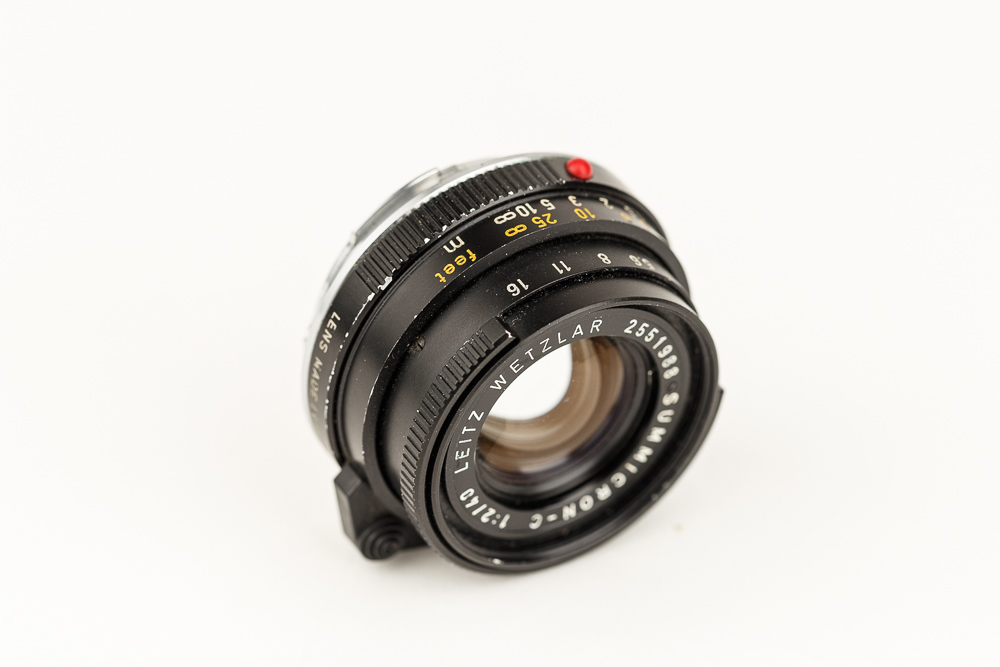
When it comes to Leica, the name Summicron stands for outstanding performance at a reasonable seize. The 40 mm is not an exception, but is oftenly overlooked. It is still a Summicron, a tiny and lovely one!
The pros
- Its perfectly sharp – the center is almost as sharp as my 50mm ‚Cron.
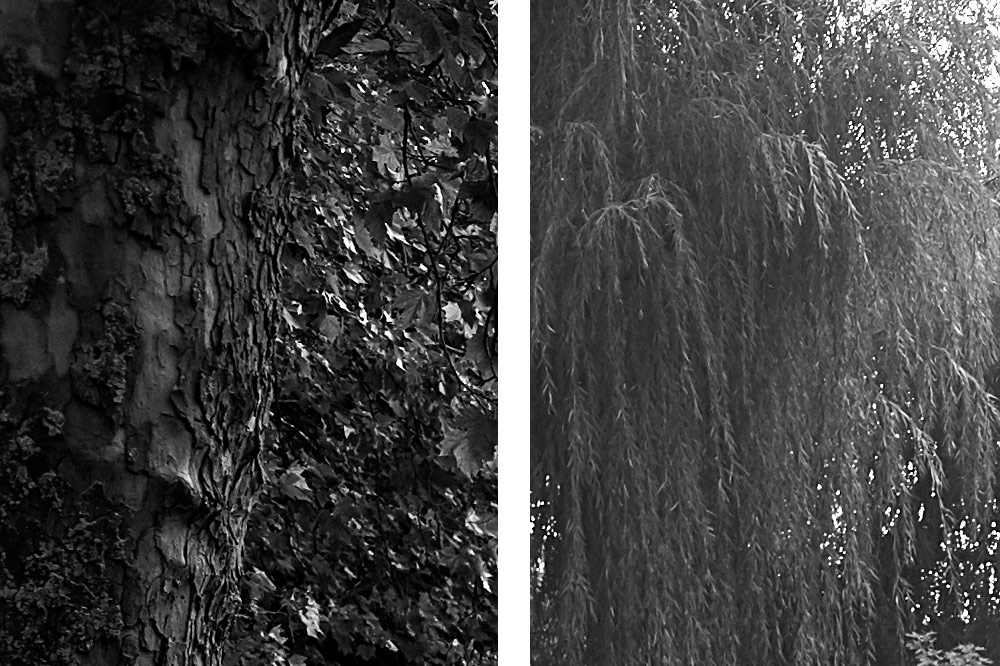
- Renders beautyfully, especially in black and white, creating a classic look.
- It’s tiny, which makes it the perfect travel and street lens.
- Contrast is on the lower side, but still good - it has some vintage look that I really like
- Probably the cheapest Leica lenses you will find – and still a Summicron.
The cons
Might be challenging or unaccaptable for some, but completely irrelevant for others:
- the Leica M has no 40 mm framelines. The 40mm Summicron was originally designed for the Leica CL, so you have to kind of guess what you are shooting. One could say: 40mm is close to 35mm, just choose the 35 framelines and don’t compose too tight – well that doesn’t work. Unfortunately the M9 (and so do all other M Camera) natively activates the 50mm framelines. However, there are workarounds how to fix it, but I rather just leave it as it is, and bare in mind that there is still a little space around the frame.
- The filter size is kind of special (5.5 Filtzers – 40.5 mm), also the hood is hard to find – but i never missed it.



Conclusion:
This lens is exactly your choice, if you can life with guessing the frame a little and work without filters. It’s the perfect start into the world of rangefinder photography. If you just spent a huge pile of cash on a Leica M, chances are, there is not enough money left to buy all the lenses one desires to have. Start with the 40mm, like I did. I never regretted buying it because its the lens I pick, whenever I want a really lightweight and small camera with a versatile lens. There are better lenses on the market, no doubt, but at a price.
Alternatives:
The 35mm Summicron is the biggest competitor due to the same aperture and close focal lenghts, but is almost ten times the price.
I bought my 40mm at my favourite local camera store for 300 Euros, while thelatest 35 Summicron asph. sells at 3.000.
Even a used 35mm Cron (V1 & V2) is beyond 1.200 Euros.
The real competitor could be Voigtländers 40mm F1.4 Nokton. Though I do not own it, I own its brother, the 35mm F1.4 Nokton (v1), and it somewhat is a bit of a mixed bag. Its not really sharp wide open, and has some awful sharpness issues (shift) between F2,8 and F4.
BUT: It has a really nice look at F1.4 - in fact quite unique. Which is the reason that you can't really compare these lenses...
If budget is tight but you still want a new lens, you might as well consider the Zeiss 35mm F2,8 C Biogon, or the Voigtlander 35mm F2 asph. Both are very good lenses!